“Hospitality First” — The Signature 2.0 Experience That’s Changing How Guests Buy Cars | JB Burnett, GM at Preston Auto | Multi-Store Operator
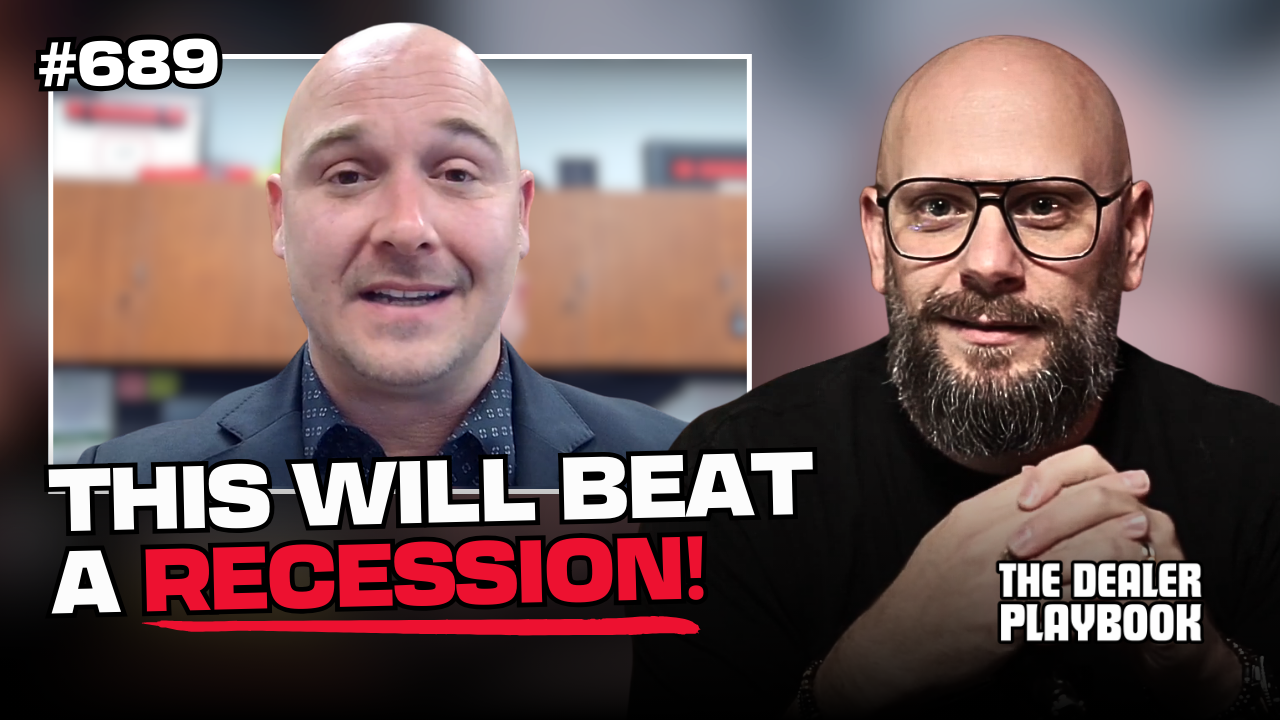
What happens when a dealer group bets big on hospitality, culture, and process, instead of pressure, price, and tradition?
Today, multi-store operator JB Burnett joins me to unpack the launch of his brand new Ford Signature 2.0 store, the first of its kind in the world, and why the guest experience is now his most powerful competitive advantage.
We dive into how he moved an entire dealership eight miles in four days, opened to record-setting sales weeks, and rebuilt the buying journey around hospitality, not haggling. JB also shares his response plan to recession chatter, how he keeps teams aligned under heavy pressure, and why he believes contagious optimism is a non-negotiable leadership skill.
If you’re a dealer principal, GM, GSM, or fixed ops leader looking for a real-world blueprint on culture, execution, and modern retailing, this episode is required listening.
In This Episode You’ll Learn:
What a Ford Signature 2.0 store actually is and why the experience is radically different
How JB’s team moved 300 units + full service + parts in less than a week
Why hospitality-first retail is out-performing traditional sales tactics
The subtle vocabulary shifts (“guest,” not “customer”… “reservations,” not “appointments”) that change everything
How JB builds buy-in for elevated dress codes & elevated expectations
Why international markets are beating the U.S. on dealership hospitality—and what we can learn
JB’s mindset framework for leading calmly through chaos
Timestamps
00:00 Intro
02:10 Inside the world’s first Ford Signature 2.0 store
07:45 Moving 300 units + full operations in four days
11:12 The mindset required to lead through chaos
18:55 Hospitality vs. legacy retailing: why the guest experience wins
24:20 Why other countries are beating the U.S. in dealership decorum
29:02 Dress code, culture, and team buy-in
36:15 Preparing for a potential recession
42:40 Contagious optimism vs. toxic positivity
45:05 JB’s framework for hard conversations
49:15 How to connect with JB
Who This Episode Is For
Dealer Principals, General Managers & GSMs, Fixed Ops Leaders, and Retail Auto Operators
Anyone responsible for culture, customer experience, or profitability in automotive.
Episode Brought To You By FlexDealer
Need Better Quality Leads? FLX helps car dealers generate better quality leads through localized organic search and highly-targeted digital ads that convert. Not only that, they work tirelessly to ensure car dealers integrate marketing and operations for a robust and functional growth strategy.
Watch The Full Episode
Prefer to watch episodes? Be sure to subscribe to our YouTube Channel and turn on notifications to get full access to our content.
Episode Transcript
(Preview Intro)
0:00
Intro
There's obviously a lot of talk about the market, and our industry is no stranger to economic downturns.
With this new experience and the risks that come along with it, what are your thoughts about some of the narrative around potential looming recession and your response plan?
0:16
Speaker 2
And we can all think about doomsday.
And I mean, I was in the the auto industry in OA, you know, we went through it, but again, we figured it out.
It's the dealers that are Ford thinking enough that I think actually thrive in those kinds of challenges.
0:32
Speaker 1
I'm sure you've got team members who are more forward thinking and some that you're helping elevate.
What advice or recommendation do you make as a leader?
Perhaps other leaders that are finding it a struggle to get their teams in the right frame of mind around whatever may come.
0:48
Speaker 2
I mean, I think a big part of it is that what we believe they're going to believe.
And so if we are afraid of doom and gloom and and we walk around with a storm cloud over our head all day, then it's so easy for them to look at us and say, well you do it so I can.
1:01
Speaker 1
Do it.
What's the template here?
If you had to say, all right, other leaders, here's how you do this because I know so many struggle with this and they they're all over the place.
You seem very structured to me.
What is that hard conversation format look like for you?
1:13
Speaker 2
So I think it's…..
1:16
(Intro)
Speaker 1
One of the things that I enjoy most about producing the Dealer Playbook is hearing from you the messages that I get of people who are getting so much value out of the podcast, applying it to their day-to-day workflows and finding a thriving career right here in the retail auto industry.
It means the world to me.
1:32
And you know, one of the ways that we make doing this possible is through my agency, Flexdealer.
And of course, in the spirit of providing value, I think this is a perfect time to head over to triplew.flexdealer.com to show even further support for you, my beloved DPP gang.
1:49
Right now, if you go to my website, flexdealer.com, you can get a full free PDF of my #1 best selling book, Don't Wait, Dominate.
And the reason I think it's so special is that a lot of the topics that are discussed in this book are even more relevant today than ever with this surgeon, popularized AI and people wondering, well, what can I do next?
2:12
Inside the world’s first Ford Signature 2.0 store
How can I have a competitive advantage?
Well, that's all here in this book.
And so I'd love to be able to offer you a free copy of this if you go to flexsdealer.com.
It would mean the world to me because that is how we continue to produce this show for you.
(Episode Begins)
2:38
Today I'm chatting with JB Burnett, a multi store operator who is obsessed with culture, with process and results.
Today we're going to talk about his brand new Ford Signature 2 Point O store.
Super exciting.
His response plan to rumors of a looming recession and the practical ways in which he and his team are elevating the guest experience.
3:01
JB, thanks so much for joining me on the Playbook.
3:03
Speaker 2
Absolutely man, thanks for having me.
3:05
Speaker 1
OK, You were on an episode of auto collabs.
That's one of the other shows that that we do together.
And we were talking all about the the new signature Ford store and you showed us some of the the mock ups, but I don't think the store was quite open yet when we recorded that.
3:23
Speaker 2
Yeah, it was just, it was, it was some of the concept photos I think I showed you and then some of the active construction photos.
But we actually did, we opened the doors beginning of October and and so we've been in three weeks and it is it's sort of like building the plane in the air because we're still, we're still finishing up some touches and stuff.
3:41
But it's been, it's honestly been a wild, wild arrive.
When we last talked, I don't know.
I don't know that I expected.
I don't know that I expected it to be quite this, this insane.
3:53
Speaker 1
You it's been, so it's been 2-3 weeks now or maybe 2 weeks.
I saw your post on LinkedIn.
I want to pull this up.
Your post on LinkedIn, you said we are only a short time in opening our Ford Signature 2 Point O facility in Millsboro and the response has been beyond anything we imagined.
4:12
I guess are you breaking records or you've had like pretty good, good sales week since you opened?
4:18
Speaker 2
Yes, so I mean the first first week or two getting in man, it's you're just trying to catch your breath.
We had, we moved inventory because we moved from a facility, it was 8 1/2 miles away.
So you moved your entire parts department, you moved your entire service department vehicles that were sitting on the lot waiting for back order parts or whatever the case may be.
4:33
You had to move all those.
And then on top of that, you know, 300 units and and move down the road.
So the transition was, I mean, I'll be honest with you, my team pulled it off in about four days and that that was pretty wild.
And from there, you know, getting in and getting settled and opening up the new process with, you know, sales anywhere and digital retailing that we had never really done before.
4:58
You know, I'm going to tell you last week was probably the first week we took a breath and we had the second largest week that the stores ever had in and it's open existence.
5:07
Speaker 1
I got to ask you a mindset question here because, you know, it's difficult to get a sense of how much energy is around something good and bad energy unless you're experiencing it.
I want to know from a mindset perspective, you as a leader, seeing all of the moving pieces and being engaged in this for months and months and months, how do you navigate taking a breath to be able to actually like absorb the monster that you just slayed?
5:41
Because like, we're not good at it.
Like us A types, we're not good at it at all.
So what does taking a breath mean to you?
5:48
Speaker 2
So, you know, it was a lot of stuff bombarding over and over again.
It was all it was a it was a opportunity for a solution after an opportunity for a solution.
And, and one of the things I, I mean, obviously top down leadership, you have to keep the right, the right mindset in the right headspace.
6:07
You can't, you can't show anybody else that, you know, you're a little, little concerned if you are, if you aren't.
And so, you know, we just went into every day, like regardless of what hits US, we're good.
It's all figure out.
Able, we're going to, we're going to find answers.
We're none of it's the end of the world.
6:24
You know, we, there's certain times we didn't have power.
There's certain times electricians were working on top of, of, of of mechanics and, and, you know, it's like, OK, well, let's use a different bag and we'll figure it out.
The first day we were in the store, halfway moved in, we sold three cars and people just walked in the showroom.
6:43
We didn't know what we were going to, how we were going to sell them.
We didn't have printers working.
And it's just like, you know, we'll figure it out.
I got to run over to the Chrysler store to print a contract.
That's what I'll do.
And so fortunately, we're all on the same campus, so we had some backup support.
But I think all of it was just like you said on mindset was just not allowing anything to be a problem.
7:05
It was always just opportunities to figure this out.
7:08
Speaker 1
Wow.
I mean, that is such a poignant lesson to be learned.
How did you develop that ability to?
Because it resonates with me.
This this idea of like, you ain't going to get me, you know which, you know, I'm just going to call us out for a minute in this industry, we're not incredibly good at at large, like very reactionary, very panicky, right?
7:34
And we're going to talk about that and your thoughts about, you know, a looming recession and market shifts and all those sorts of things in a minute.
But staying centered on this, I mean, where does that come from in you?
How did you develop that muscle?
7:46
Moving 300 units + full operations in four days
Or is it has it been inherent in in you?
7:49
Speaker 2
Well, we, we touched on a little bit last time we chatted, but you know, I didn't, I probably didn't have the, the the greatest upbringing in life and, and chose some bad decisions and, and eventually, you know, I didn't, I didn't, didn't have a backup plan.
There was no option to fail.
8:05
Failures never even been a consideration.
I didn't have, you know, a safety net or, or any of that.
And so, you know, that creates, I guess, a certain mindset where, where whatever comes up, you have to figure it out.
8:21
There is no not figuring it out.
And so, so I mean, I think a big part of that was, was bred into me when I was young and then trying to overcome obstacles in the, in the automotive field.
I mean, when I was 23, I took over my first dealership and I didn't know anything.
8:36
So all I knew is I have to work harder and smarter and longer and better than anybody else.
And I think that that created the habits over time that that didn't die.
And, and as I continued to push those same hard working work ethic habits, it's, it's created, you know, really a really great successful career in this industry.
9:00
Speaker 1
Tell me about the reaction of the first three people walking into this new signature store.
Like, are they?
Is it?
I'm imagining it's like oohs and ahhs and woes and these sorts of things.
9:10
Speaker 2
I think a lot of it was more surprise because when you walk in, you don't feel like you're walking into a car dealership.
So, you know, they, at first it's, it's, and we had to figure out how to, how to navigate this.
But at first it's, you know, where, where do I sit?
What do I, what do I do?
9:26
And, and, you know, they're not used to the first thing they'd be asked is not, are you here for sales and service?
But would you like a beverage or a snack before we get started?
And so it's changing the whole greeting, changing the whole mindset, changing the customer's perception.
9:41
They're, they're so used to walking into a car dealership and the salesperson hits them and you're here for sales and service.
All right, cool, come to my desk.
And that's not at all, You know, hospitality first is one of the, the guiding principles Elena put together for, for this signature Ford store.
9:57
And it is truly more like you're inviting somebody into your home than it is you're selling a car.
And I'm finding the craziest level of success with this.
It's truly mind blowing man.
10:12
Speaker 1
You are touching on something that's top of mind for me.
So Paul, Kyle and myself were just in Kazakhstan.
We met with distributors and OEMs and marketers and we, you know, we did some training over there and we toured 30 dealerships while we were there in and out of stores.
10:34
Some of the Chinese brands, some of the brands we know, Hyundai and Kia and these sorts of things.
And the reason what you're saying is top of mind to me is the thing that blew us away is the poise and the decorum around hospitality in every one of those stores.
10:54
Made me wonder why we're not seeing more of the signature experience like what you just said this, this, this hospitable welcome, welcome home almost.
And what you just said the impact of that the the, the change in perception, why do you think the the American markets maybe been a little bit slower to this, this kind of signature experience?
11:21
The mindset required to lead through chaos
It, it's funny, you talk about different countries.
So I've had the opportunity to work with, with Elena's team and, and the Ford global team and talk about some of the experience from some of the other, you know, some of the other countries.
And they're, I think they're way ahead of us on, on the idea of a car dealership not being a grind, but more the hospitality side of it.
11:46
And, and I think you find that and, and all parts of industry and, and other countries when it comes to luxury hotels or luxury restaurants.
I mean, you know, if you go look at the, the top 10 restaurants in the world, I think you'll find one in the United States.
It's, it's just not, it's not, it's somebody made a post on one of my LinkedIn things and say, you know, we've been doing the same thing for 70 years.
12:10
And, and I just don't know that we've stop to think about what it feels like.
I, we had the luxury in the Automotive World when you're working in it, right?
I don't have to sit and buy a car for myself.
I tell my finance manager what I want to buy.
12:25
I go about my day.
Three hours later, they get my paperwork and stuff done and then I can go sign.
I don't have to have the same experience the guest does.
And and I think so often we don't pay attention necessarily to what the guest is really experiencing.
12:42
And, and this has opened my eyes widely to it.
And when you talk about, I mean, when it comes to, to, to gross profit, when it comes to, to volume it, when it comes to somebody's overall demeanor when they sit down in one of these, these seating areas in the new facility versus sitting down in my Stalana store next door, it's 2 completely different experiences.
13:09
And in Stalanas, you almost feel like you got to fight it.
In Ford, it will surprise you how quick just because they feel like somebody cares and paying attention to them that they just start saying yes and and and over and over again.
13:26
Speaker 1
Hey, does your marketing agency suck?
Listen, before we hop back into this episode, I know you know me as the host of the Dealer Playbook, but did you also know that I'm the CEO of Flexdealer, an agency that's helping dealers capture better quality leads from local SEO and hyper targeted ads that convert.
13:43
So if you want to sell more cars and finally have a partner that's in it with you that doesn't suck, visit flexdealer.com.
Let's hop back into this episode.
I can't provide a hospitable experience.
14:00
I don't know why that's the the first thing that just came out of my mouth in response to everything you're saying.
But I'm like human beings have to deliver a hospitality environment.
And to your point, like it's making such a difference.
14:17
And I was shocked coming from America to Kazakhstan, like you said, you working with the global team to find that they were like kicking our trash.
You ain't seeing anybody with fluorescent pink shorts and a half tucked in polo shirt.
14:34
They were like white shirts and type like at a Kia store, at a Hyundai store, at a BYD or a Zeker.
They've got all these brands I've never heard of, like I've heard of BYD, obviously, but somebody Geely and Chang Jane and all the black pants, white shirts, ties, the, the women professionals in like skirts and blouses.
15:00
And and it was exactly what you're you're saying at your store, which I think is first of all, mazel tov dude for setting a course here, because I think we need so much more of it in America.
You walk in and it was exactly what you're saying.
I was like, welcome to Hyundai today.
15:19
Can I get you a water or a tea, a sparkling water or a Stillwater?
I was like what is going on here?
15:26
Speaker 2
I'm in a car dealership.
15:28
Speaker 1
And it didn't to your point, it didn't feel like it like what you expressed your your new new customers are feeling sorry, I've even just caught myself.
Your guests are feeling, I notice you use the, the word guest experience a lot and I think that shifts the, the, the, the, the feeling around it.
15:46
Like customer experience is like, yes, but it also feels transactional guest experience.
It's like little less pressure.
15:54
Speaker 2
I think that you're, you're hitting two big points that that I've made.
I've made a big part of our business model right now.
So 1 is a tire.
You know, if you look, you look, last time we talked, I was in a a polo shirt.
I haven't put a polo on in three weeks.
16:10
And, and part of it is people want to deal with people that look the part and look professional.
And, and so I've made certain dress codes in that store that actually I don't even have in the other stores because they're not, they haven't figured out the hospitality side yet.
16:26
And, and I will tell you, I'm, I'm still, you know, piloting this whole concept, But as I'm seeing it, what I'm doing in Ford, I expect to pass to my other brands.
And the other thing you touched on was was verbiage, right?
So we don't do customers, we do guests, we don't do appointments.
16:44
We do reservations because you have an appointment at your dentist office and nobody looks forward to that.
But you have reservations at that really nice restaurant down the street, you know what I mean?
And just those, those really subtle changes it it, it plays with the psychology in somebody's brain and just makes them feel so much more comfortable.
17:05
Speaker 1
How do you get buy in from your team like that Went from polos and khakis to an elevated attack.
Because I agree with you.
I mean, I remember one of my mentors early in my career was like, the first thing I'm going to look at are your shoes and they better be shined.
You know, it was like that sort of a thing.
17:21
And, and, and I've, I've even caught myself, I've become much more casual to agree that when somebody even sees me wearing a polo, they're like laundry day today, you know, but there's a part of me that's like, you know what, maybe I need to get back to the white shirt tie wearing suit pocket square version of Michael, because what you just said is so powerful.
17:45
I think we overlooked in Western culture, we're overlooking, we're becoming more and more casual.
Look, the people want to work with somebody who looks the part.
17:55
Speaker 2
I would, I would so agree with that.
And I'm going to tell you the, the buy in part of it is, is, you know, obviously, you know, you had a mandate, but then you start talking about how they feel that day and how their, how their perception of themselves.
18:11
I mean, I don't know about you, but when I, when I dress up, I, I have AI stand a little taller.
You know, I, I, my chest sticks out a little, a little bit more than it did yesterday.
And so I started in the business, you know, in a metro market that everybody wore a suit and tie every day.
18:27
I came to a rural market and I will never forget the first day I walked in to to the Ford store that I started at.
I was in a three piece suit.
I had a vest on a tie.
And one of the old guys that have been there wild looked at me and said, you city slicker ankle make it out here.
18:42
Ain't nobody going to buy from you.
And I, you know, I, I probably took that to heart the wrong way and I, I went back to casual.
I I allowed casual, but from there, I this whole guest experience and reservation and, and, and a luxury, you know, a luxury style experience in a standard domestic brand is different and it's a good different.
19:12
Hospitality vs. legacy retailing: why the guest experience wins
It's something that that I, I agree, man.
We just like you said, we're, we're getting, we're getting more and more LAX and, and more and more casual.
And I, I think, I think part of disrupting this whole, this whole experience in the automotive in general is, is starting with the basics, the verbiage, the attire, the things that when we got in the industry years and years ago were required and now it's.
19:39
Speaker 1
I think to a degree controversial opinion of the day I'm allowed one, I'm going to use it on this.
Society in the West is crumbling because we've become so casual.
I think about, I think about, well, first of all, I've been to Pakistan, I've been to Kazakhstan, I've been to the Philippines, I've been to all these places.
20:01
And what I found interesting about each of them is that they're, they're actually doing a better job at upholding some formalities and some decorum that like an example, when I was in Pakistan, the thing that I, that blew me away, first of all, is that I went through all of the motions.
20:17
I promise there's a point to this people.
I went through all the motions leading up to it.
Oh my gosh.
The State Department says don't go there, this is a terrorist activity, blah blah blah blah blah blah.
I was in an Uber with a Pakistani immigrant saying bro, don't go.
Now there is a tumultuous election and I'm like, holy crap.
20:35
My life insurance is saying if anything happens to you over there, it's a Level 3 threat country.
Your your thing.
You won't get a payout.
Your family going to be screwed this and that.
I get there, dude.
See, I just caught myself.
I said dude to killed my own plotline here.
20:53
I got there and it was as calm as a summer's morning.
The children wake up, they wear the big backpacks and walk to the school like everybody else.
They come home, they want a snack.
The parents are working.
The women were dressed with beautiful colors and and also they have a greeting.
21:10
They say they say Assalamu alaikum like may peace be unto you.
That's how children come home from school.
JB Assalamu alaikum dad, like may peace be unto you, dad on departure, they don't just say, I write see you.
21:28
They say they, they cover their heart and say Allah Hafiz, which means May God be your protector.
Now we can debate religions and this and that.
We're not.
That's not this show.
But the point is, the point is when my kids come home from school, sometimes they say, supka.
21:51
I'm like, what words just came out of your mouth?
Like, Luke, I am your father.
That's part of the thing, right?
And I can't help but think society's crumbling at large in the West because because of that casualness, there's an awkwardness.
22:09
Kids don't know how to talk to adults.
Adults don't know what they can say to kids, therefore, and then and then we bring that into the workplace.
And so here you are as a leader.
I know I went on a bit of a tangent there.
Here you are as a leader saying we're going to change things up in a culture, in a society that might peg these these observations you made as old school.
22:35
Oh, yeah, you're like, yeah, that's good for you to say you're wearing a suit now.
But how you can't make me wear a suit when that wasn't the way or whatever the mindsets or appetites might be.
How do you navigate that?
22:49
Speaker 2
I mean, I, I think you really, nobody's going to tell you that it's going to be OK because OK has to be easy.
And, and that's what we're trained to be.
And, and not everybody, but I think, you know, society as a whole has gotten a little lazy, gotten a little away from what was a little harder.
23:08
I mean, it is, it is hard to find people that have the, the work ethic that that you and I probably have, you know what I mean?
And part of it, I mean, you know, without going down this whole philosophical route, it starts at the beginning of, of lives.
And we, you just, like you said, you, you almost don't know what accountability looks like because you don't want to end up the next YouTube star on the wrong, the wrong conversation, right?
23:32
And so you're almost scared to, to hold accountability.
And, you know, I, I was just at a leadership conference a couple weeks ago and accountability might hurt, but it doesn't harm.
And I, that, that resonated with me.
23:49
You might, you know, you might hurt somebody's feelings or whatever the case may be, but but you're not harming them, you're helping them.
And, and I think you got to remember that, that our goal as leaders in general are, are to help people and guide people and, and grow people.
24:04
Leave people better than you found them.
I mean, that's one of my mottos.
Leave people better than you found them.
And you can't do that by being soft or doing what they want you to do.
Because naturally we are not going to want to do the things that are hard.
24:21
Why other countries are beating the U.S. in dealership decorum
Our brain tells us not to.
We have to do the opposite of what feels natural.
24:30
Speaker 1
Yeah, because what what feels natural to us is comfort zone and comfort zone.
What's that saying?
Comfort zone, beautiful place, but nothing new ever grows there.
I, I think it's inspiring, especially because it feels like a, a fresh start or a reset.
24:47
It's like, hey guys, new store, new experience.
It's a signature experience.
We're focused on hospitality.
Like, all of this comes back to the reason I even took us to Pakistan and back and you know, is because it is a cultural thing.
25:02
And you are shifting the internal culture of your organization with this store as a catalyst.
And a culture shift requires, you know, kind of all the things you've talked about that I'm picking up on it.
It's going to require moments of friction.
It's going to require moments of clarity.
25:18
It's going to require moments of stress and hard work and grit and grind.
But to your point, the accountability is there that we're here to grow, we're here to win, We're here to provide the best guest experience we can.
Talk to me a little bit more because I'm, I'm so curious about the store and the hospitality thing, I think is just such a mind expander for our industry.
25:43
So now you have this new store and now you have to deliver on a promise, right?
Like customers come in and now they see and that seeing gives them an expectation.
What sort of training or guidance can you offer to your team to say this is the new way that we do things and that's this is how you're going to be performing now?
26:07
Speaker 2
I'll, I'll tell you, hats off to Ford on this one.
They, they thought this through pretty well.
They came to us before we opened and sort of set the stage.
Explain to us the facility, the principles, what our, what our future looks like.
26:25
And, and again, I've said it before that they said, hey, this is what we want it to feel like, but we don't know what that looks like yet.
So help us figure that out.
And so they actually, they've just been with me the last couple of days.
Again, they do a, a post open a couple visits, but they just did the first one since we've been open and us being the first in the world ever.
26:45
It was the first one that they'd ever step foot in And, and they spent two days all day going through.
You know how to use the space because it's different.
I mean, there's, there's open console spaces, there's not cubicles.
There's there's a hub.
It's like a barista bar cafe set up right in the middle of of the showroom.
27:06
The sales management offices don't have doors and they're all completely glass.
It's the, you know, the salespeople when they're doing calls and tasks and the stuff that you know, you have to do, they work out of a, a guest preparation area in the back.
They don't, they don't, you know, you're not hearing people make calls on the floor and phones ringing.
27:25
It's, it's casual.
There's couches, there's comfy chairs, there's coffee tables.
It's just a, it's a whole different vibe.
And so when they, I did a, I did a step out of the old step into the new meeting when, when the first day we opened the doors, right.
27:43
So I have AI have a morning meeting every day.
It's called a Rand meeting, rhythm of accountability meeting.
And I got that from, from my mentor, Dave Anderson.
And, and we, we held that meeting in front of the store at 8:45 the day we opened the door.
27:59
I didn't let anybody into the building until I could kill the facade of the old building and set the tone for the new building.
And so it was when we step in here, we're stepping into a whole new game.
People are going to be watching us.
We're going to have to act different.
28:16
We're going to have to treat people different.
We're going to have to be different and, and different than I mean, there's four stores on this campus and different than the other stores.
People are going to look at you and say, wow, why are they doing it that way?
But we're still doing it the old way.
And it's, it's, it's actually happening.
28:32
It's funny because the traditional car buying experience, I found the word legacy to the legacy experience because, you know, the Auto 5 process and the digital retailing process has become the way that everybody is envious of.
28:49
It's, it's different.
And so by psyching everybody out really, and, you know, setting the bar so high on what everybody's going to be paying attention to, there was a level of pride that went into opening and level of pride to provide this wild experience.
29:07
Dress code, culture, and team buy-in
And you know, they talk about accountability.
Well, you know, top down accountability is easy, right?
I can tell somebody what to do. peer-to-peer accountability is the hardest accountability to achieve in your in your organization.
And what we found is these guys, if somebody says customer, you know, the guy next to them should be like, hey, guest man.
29:26
Oh yeah, shoot, I'm still getting used to that.
And it's like little things like that, that it was, it was really, it's been really, really cool to watch.
And, and the space facilitates that just sitting around a little coffee table.
29:42
I met a dealer group the other day and, and they were, they were trying to understand the space.
And we sat down and one of the little open consoles.
And he looks at me.
He says I can feel why this feels different, because it does.
29:54
Speaker 1
Wow.
I want to know your thoughts on like as car dealers, as as an industry talk, talk me through the timing of this opening.
It's like, are we gluttons for punishment or was there a strategy to opening a signature store when seasonal downturns start to happen?
30:19
You're like October, like the the summer months are over.
The boom is kind of over a little bit before you know, the holiday season again.
Let's open it in October.
What's your thoughts around that?
30:32
Speaker 2
So obviously construction is construction, right?
So we played to open a little bit early, but with all the changes and, and trying to get done and weather and everything else, you know, we didn't get there.
But I mean, really the goal was Labor Day, which wasn't that far different.
I mean, you know, we're going to open in September.
But I think especially for this kind of an experience, it's almost perfect to open a little on the quieter side because you really got to change everything about the way you do business.
30:56
And do you want to do that in peak summer months or when, you know, when you're closing the year or you want to have maybe a month or two under your belt before you really start picking back up?
And so the timing, albeit a little weird, I guess, worked out.
31:12
It wasn't intentional, it wasn't planned.
But I'm, I'm sort of glad that it, that's the way it played out because it allowed us time to start redefining what that experience looks like.
And I mean, when I say redefining, redefining from the, the greet to the sales process to the test drive, you know, test drives, right?
31:34
Everybody, everybody will tell you salesperson needs to go on test drive.
We through guidance and studies and, and the, the, the research that the Ford team has done, not everybody wants a salesperson to go on a test drive.
31:50
So instead of forcing it, we've made it a early in the process.
Hey, when we go for a drive in a little bit, would you prefer that I come with you or would you like to go out?
Because if you ask him at the car, they're going to say, yeah, yeah, you can come, you can come.
32:08
That's not an invitation, that's a obligation.
And so we've, we've designed this process with little teeny nuances that allows the guests to really be in control of the process.
And in turn, when they feel like they're in control, it it takes the rest of the walls away, price becomes almost irrelevant.
32:29
I'm telling you, man, it's it's been.
32:34
Speaker 1
I mean this speaks to me because, and I know I'm probably a fringe like outlier, but like I don't even want to test drive it, I just want to.
I just want to sign papers and drive home.
You know, it's like I, I don't know if you feel this way.
It's like I've driven enough vehicles at this point that like they, you know, they're, they're all like, you'd have to do something really wonky in a car right now to like have it be that vastly different.
33:00
Like because I feel like I've done so much research upfront anyways, you know, I've watched the reviews, I know how it accelerates.
There's somebody's explained how the engine feels.
Somebody talks about towing and comfort and luxury.
And at that point I'm and I know I'm a sales guy, so I'm a lay down, but I walk in and I'm like that, oh, we have to go on a test drive first.
33:22
I'm like dad, you know, no, we don't.
No, we have to because it's part of our private.
I'm like, I don't have to go on a test drive.
The other thing I want to talk to you about, that's all kind of part and parcel of this whole thing because you're, you're just spinning so many plates.
33:41
And I'm, I'm frankly, I'm inspired by it because the, the amount of alignment that I feel you are having with all the stakeholders, all the team members, the constant convert, like just knowing what it must take behind the scenes to make this thing move is, is just, I mean, kudos to you.
33:59
It's, it's no, no easy feat.
There's obviously a lot of talk about the market.
I mean, when it's, there's always something obviously in, in our industry is no stranger to economic downturns, to tariffs, to chip shortages, supply chain, yadda, yadda, yadda.
34:16
The list goes on.
With this new experience and the risks that come along with it, what are your thoughts about some of the narrative around potential looming recession and, and, and your response plan?
How are you preparing your team's across the group to to say, yeah, like it may come, but like like you said in the beginning kind of full circle moment, everything's figure out able.
34:41
I don't think tell me if I'm wrong, but I don't know that that's happening in you viscerally in the moment.
I feel like there's a level of preparation in you.
34:50
Speaker 2
Yeah, so I mean, we can all, you know, think about doomsday.
And I mean, I was in, I was in the, the auto industry in OA, you know, we went through it, but but again, we've figured it out.
And the one, it's the dealers that that are forward thinking enough that I think actually thrive in those kinds of of challenges, right.
35:15
So you think about this recessions caused by people who don't want to spend money, right?
We don't want to spend money for whatever reason.
Well, if I'm providing the experience that makes you want to come here, don't you think it's probably going to affect me a little bit less?
35:31
There's a, there's one of the studies that Ford gives us is there's a 4008 people that they that they surveyed, they said how many people prefer the current buying process in an auto dealership?
What do you think the number was?
35:50
Speaker 1
Oh man, I have no idea.
35:51
Speaker 2
It was 1818 people out of 4000 said I like what we're doing.
This is fun.
And so redefining that a large percentage of people would buy more often if if they enjoyed the process.
36:08
I mean, we buy phones from Apple all the time because we enjoy the process.
The new one comes out, we go get it.
36:17
Preparing for a potential recession
You know, if they made that really, really difficult and challenging, we'd probably wait.
You know, if all of them came out with a bunch of bugs and everything else, we'd probably wait and see what happens, albeit, albeit maybe silver lining.
36:35
I think I'm going to have a competitive edge over any other, any other dealership that that will not not completely recession proof, but will will give me the the edge I need to survive through whatever ups and downs we have.
36:50
Speaker 1
Yeah, I'm sure you've got team members who are more forward thinking and some that you're you're helping elevate.
What advice or recommendation do you make as a leader to perhaps other leaders that are finding it a struggle to get their teams in the right frame of mind around whatever may come?
37:14
Speaker 2
I mean, I, I think a, a big part of it is, is that what we believe they're going to believe, right.
And so if, if we, if we are afraid of doom and gloom and, and we walk around with a storm cloud over our head all day, then it's so easy for them to look at us and say, well, you do it, so I can do it.
37:33
And so part of it, I think is stepping in, stepping on the field every day with the right attitude and stepping in with the right mindset.
If you don't, if you're not doing a, a morning mindset routine that gets you clean, not listening to, to news talk on the way to work, you know, listening to a, a, a book or, or one of those little inspirational videos you find on YouTube or whatever it is that that puts you in the right mind space to go lead people.
38:00
If you're in the wrong mind space to go lead people, you're not going to be a very effective leader.
And so part of it is I'm almost, I'm probably contagiously optimistic.
And so it's really hard for you to throw me off my day.
38:16
And in turn, I don't give them the excuse to be able to throw them off a day.
So when they're having a bad day, it's easier for me to go to them and remind them, hey, man, everybody's watching you every day.
Everybody's watching every day.
You're on stage every day.
It needs to be Disneyland.
We can be, we can be Jurassic Park in a back office when you're having your worst day.
38:37
But when we walk out of that, you need to be back on stage and and holding those again, accountability conversations that nobody really loves, but they can't look at me and say, well, you had a bad day, right?
Motion sensor light.
38:52
Speaker 1
It's efficiency is what we just for those that are listening.
His motion sensor lights dimmed.
He get he he finished his statement and it became very ominous.
And then he waved his hands and said let there be light and the lights came back.
39:08
That's perfect timing.
I'm inspired by it.
It resonates with me.
I remember this one caught me off guard not too long ago.
I was, I was told I was cautioned from, from someone about toxic positivity and I was like, that's a new one.
39:30
I never thought I would be accused of toxic positivity.
39:33
Speaker 2
Yeah, I've never heard that one.
39:35
Speaker 1
Yeah, and, and I had to look it up.
I was like, well, what does this even mean?
Because like you, I'm like, Nah, you're never going to get me.
There's always an opportunity.
There are people who will look at problems and say, well, now I feel acted upon.
And there are people who look at the same problem and say, well, that's an opportunity for growth and apparently toxic positivity.
39:55
JB is this this idea of like I, I would say almost inauthentic optimism, Like you're just doing it, but you're not really addressing problems from you.
I get the opposite, which is I am contagiously optimistic and I won't tolerate negativity in others, but I'm also going to find solutions to problems.
40:14
I'm not just going to pretend the problems don't exist.
Yeah, which inherent in building a new store, operating a group, I think you are keenly aware of problems.
But you know, the sense I get from you is that you optimistically solve them.
40:31
And in that and and and.
Dare I say and?
Tell me if this doesn't track, but you, you are striking me as a as a leader who is excited by the pursuit of achieving A desired outcome.
40:47
Speaker 2
I would agree completely, man.
And I, I think that's, yeah, that's part of, there's a lot of people that can be AGM or a manager, a service manager or whatever the case may be.
But but it's one thing to have the title, it's a whole other thing to have the role, right.
41:02
So as a role of a leader in those positions, to me is, is it is your, it's your sole responsibility to, to make sure that one, the problems don't turn into toxicity.
41:19
I mean, there's a lot of people that I've run into that, you know, they have a problem that ruins their day.
And those kinds of people, like I've, I've seen people have bad days, You know, people pass away, people, people get sick people, you know, people get uncurable diseases.
41:36
That's a bad day.
That's a bad day.
But we're, we're running car dealerships guys.
There's there's nothing that that we can't fix.
There's nothing we can't figure out whether it's people process, you know, somebody screaming at you in the service drive.
Don't get mad at customer B for customer A, you know, keep keep the same mindset all day.
41:58
And I think that's, I just don't know that there's a better way and I've done leadership the wrong way.
I mean, I would I wasn't born like this.
This is not a leadership is not a boring trait.
It's a learned trait.
And that if you're not good at today, you can work on, you can get better at tomorrow.
42:16
I remember when I got in the car business, when I took it from my first store, I was 23 men and I, I only knew how to throw deals across the showroom and scream at my employees.
That's all I knew.
And then I kept losing employees.
42:31
And so I was like, oh, shoot, I got to be your best friend.
And so then I became everybody's best friend.
And then I had a lot of really great friends that didn't do work.
42:41
Contagious optimism vs. toxic positivity
And and then, you know, you find somewhere in between those two extremes is a balance that is actual true accountability, leadership.
And it's not.
And like I said, that that that it hurts.
It doesn't harm.
That stuck with me because if you care about somebody truly that's under your power, under your under your umbrella, then you should have the hard conversations to help them be better for their family, for their work, for their life going forward.
43:11
Speaker 1
Wow.
I have two final questions.
The first on the heels of what you just said, the hard conversations tell me, bring me into a how you conduct a hard conversation so that that person leaves your office with the accountability.
43:29
But also, I'm guessing you're the type that likes to leave people feeling inspired to go and take action.
What is that?
What is the, what's the template here?
If you had to say, all right, other leaders, here's how you do this because I, I know so many struggle with this and they they're all over the place.
43:44
You seem very structured to me.
What is that hard conversation format look like for you?
43:50
Speaker 2
So I think it's, it's one, it's almost like the sandwich, right?
So you start with, hey, I want to let you know, I noticed we're doing this and this and this really well.
I, I feel there's an opportunity here though.
And you go through whatever that opportunity is.
44:05
It's not a problem.
It's not a raised voice.
It's not any of that.
It's a it's a caring, concerted conversation and you do tackle whatever that concern is.
You know, I've had I've had a lot of customer complaints that have gotten past you.
You know, what's what's going on with you?
Is there something, is there something going on behind the scenes that I'm not aware of?
44:23
Is it, are you getting distracted?
Are you getting too pulled away?
Is there some bottlenecks?
You know, you first, first you try to own own it and find an excuse almost for them.
And then they say, you know, you know, I just, I, I just couldn't, I couldn't, I forgot about that or I forgot about this.
And then you, you, you guide them down.
44:39
OK, well, how do we, how do we stop forgetting?
All right, Is this a situation where maybe we, we start taking notes somewhere or we, we, we write it down or you text me and, and I'll remind you or you set alert in your phone or like, how can we fix it?
And then you get the commitment from them, right?
44:56
So, you know, once you go through it and they, they admit because they're going to eventually come to the yeah, you know, I, I drove.
OK, so, so let me ask you this going forward, what, what are you going to do to, to, to make that different?
45:08
JB’s framework for hard conversations
And you know, they're going to give you commitment.
You don't give people commitments because people don't keep your commitment.
People keep their commitment.
And so you ask for their commitment, right?
And you say, hey, So what are we going to do going?
You know what?
I think that's a great idea.
I love that idea.
All right, So what else are we going to do?
45:23
OK, that.
All right, I love that idea.
So let's so going forward, we're going to do this and this and now we're not going to have this concern anymore, right?
Yeah.
All right, cool.
So let me know where I can help you on that.
Let's know where we can grow from there.
And let's, let's go take on the world.
45:39
And then, you know, the second conversation is a little bit different, right?
So let's just say that the same thing happens again.
And you come back and say, hey, man, you know, we had this conversation before we had, we had one problem, you know, we had this, this, this problem.
Now, now we've got 2 problems, man.
45:55
You didn't keep your word to me.
You know, we're still doing the same thing.
But you, you broke your word, man.
What, where, where, where do we have from here?
Well, on the foundational basis of our relationship, I got to be able to trust you, right?
And so it's, it's a different kind of counseling.
46:12
It's, you know, it's, it's, again, it's, I don't even know how to describe, but it's a different kind of counseling.
It's where you're truly painting up a picture for them and you're allowing them to make commitments to you.
And then, you know, how many times does somebody have to break a commitment to you before you realize you have the wrong person?
46:30
You know, you probably don't want that person on your team.
Then then you got to, you know, you got to make the the harder decisions.
But usually what I've found is if I approach that first conversation, I never have to have the second conversation about the same conversation.
46:44
Speaker 1
You said a couple of things.
I'm so glad you shared this with me.
And because you use some keywords and it ties back to something you said earlier, you said there are leaders with a title and there are leaders who assume the role.
47:01
Like there's a big difference there.
And what you just demonstrated, I think is so powerful to illustrate that because leaders with the title want to be the hero of every story.
I changed you.
47:17
I got the outcome.
We are winning because of my leadership.
But you said a very powerful word in here.
You're talking about the sandwich.
I got to bring my notes closer.
I'm getting old.
47:34
What I heard was you started with with pointing out what they're doing well, then you seek to understand and then the word you said, which I think is so powerful for leaders who have The Who have assumed the role of a leader.
47:54
You said guide, you guide them on the how, and that's exactly like you look at, you look at story, the story brand formula.
Every story has a hero or a character who has a desire, who has a conflict, who needs a guide to show them the how or help them.
48:17
I understand the how.
And then you leave them what you said I wrote down.
People keep their commitments.
You get commitments and then you leave them with encouragement.
Let's go blow up the world together kind of a thing.
Dude.
48:32
Congratulations to you.
The store.
Awesome that the things that you're doing as a leader, I think is is just incredible.
I'm so glad we could talk about it on the show, listening and watching.
Connect with you.
48:45
Speaker 2
I mean, you absolutely find me on LinkedIn, JB Burnett on LinkedIn.
You can find me on Facebook.
And I'll be honest with you.
I mean, I'll talk to anybody that wants to chat.
You're always welcome to call me.
My cell phone's always on and I answer for anybody.
So 443-942-1375.
49:02
Speaker 1
Man, I'm so glad we could connect.
Thank you so much for joining me on the Dealer Playbook.
49:05
Speaker 2
Thank you brother.
49:06
(Outro) Hey, thanks for listening to the Dealer Playbook Podcast. If you enjoyed tuning in, please subscribe, share and hit that like button. You can also join us and the DPB community on social media. Check back next week for a new Dealer Playbook episode. Thanks so much for joining.