Kia’s COO Speaks Out on EV Tax Credits: What’s at Stake for the Auto Industry
At the recent LA Auto Show, Kia’s Chief Operating Officer, Steve Center, made waves with a candid statement about the potential elimination of electric vehicle (EV) tax credits: it would be “messed up.”
It’s a strong choice of words, but Center’s reasoning sheds light on the far-reaching implications of such a move—not just for the auto industry but for the U.S. economy as a whole. His argument goes beyond the immediate impact on EV sales and dives into broader concerns about jobs, manufacturing investments, and America’s ability to stay competitive on the global stage.
A Call for Stability in a Shifting Landscape
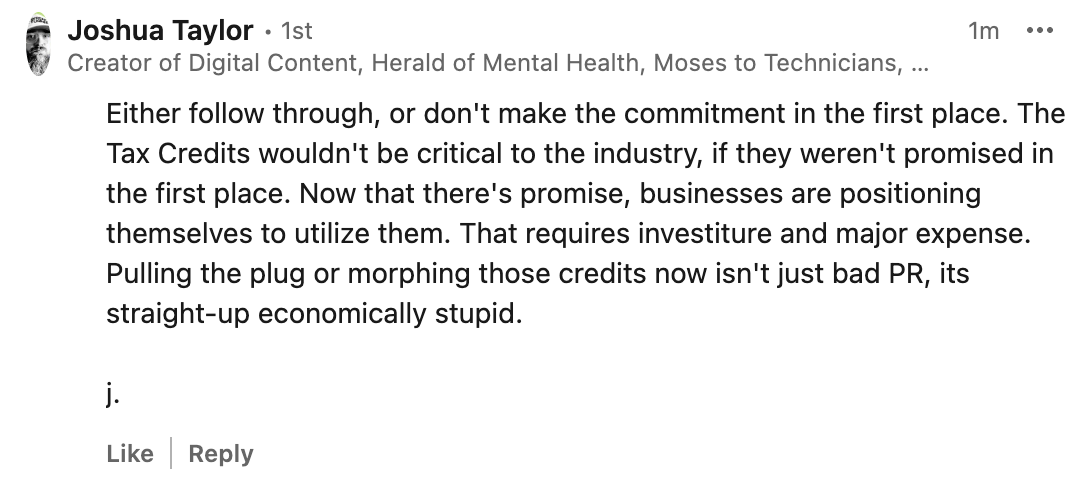
For companies like Kia and Hyundai, the stakes are high. Both brands have poured billions into U.S.-based manufacturing facilities to meet the stringent requirements tied to federal EV tax credits. These credits aren’t just financial incentives; they’re cornerstones of strategic planning, guiding how automakers invest, expand, and innovate in the rapidly growing EV sector.
A sudden policy shift to eliminate these credits could disrupt years of planning and throw major projects into chaos. Center highlighted this uncertainty as a key issue, arguing that the auto industry—and the American economy—needs stability to thrive.
Without consistent policies, companies may hesitate to make bold investments in future technologies, which could lead to a ripple effect: fewer jobs, slower technological advancements, and a diminished global standing.
The Bigger Picture: EVs and Global Competitiveness
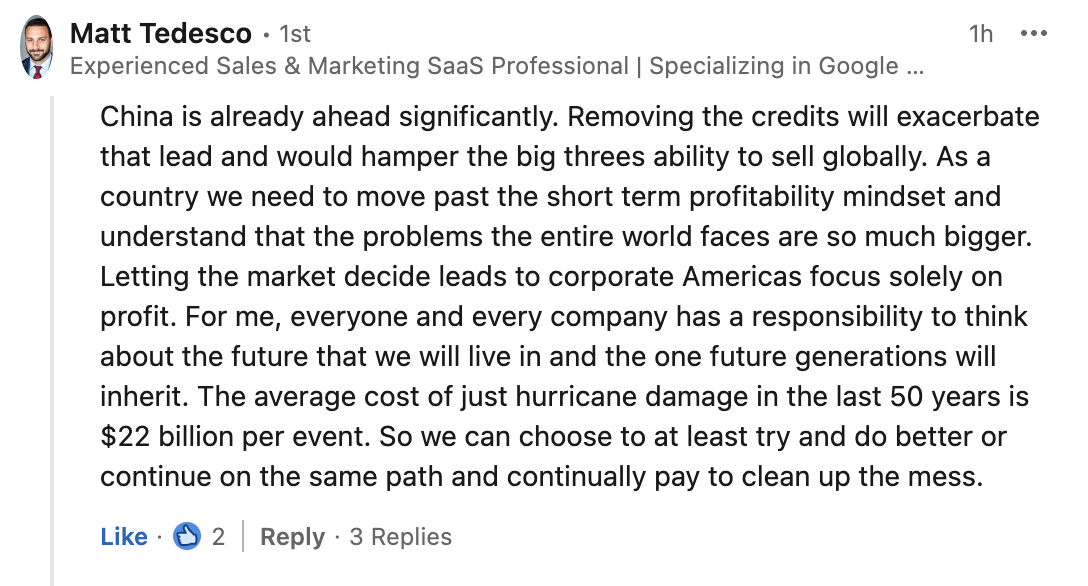
But Center didn’t stop at manufacturing woes. He pointed to a larger issue: without EV tax credits, the U.S. risks falling behind global leaders like China in EV adoption and production. China’s aggressive policies and subsidies have propelled it to the forefront of the EV race, making it a dominant force in both manufacturing and sales.
In contrast, removing U.S. tax credits could slow down domestic EV adoption and make electric vehicles less accessible to average consumers. This isn’t just a financial hit—it’s a strategic disadvantage. As the world shifts toward electrification, the ability to produce and adopt EVs at scale will define economic powerhouses of the future.
What’s at Stake for Consumers?
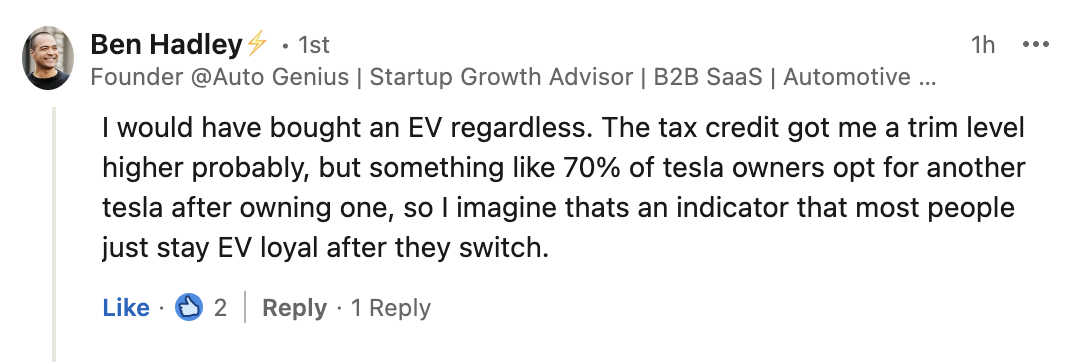
For consumers, the absence of EV tax credits could mean fewer affordable options at a time when many are already grappling with rising costs of living. EVs are still more expensive than their gas-powered counterparts, and while tax credits don’t eliminate the price gap entirely, they make these vehicles a more viable option for families looking to reduce fuel costs and lower their carbon footprints.
Without these incentives, progress toward widespread EV adoption could stall, leaving consumers to bear the brunt of higher costs and fewer choices. And if adoption slows, so too does the reduction in emissions—a key objective for policymakers aiming to tackle climate change.
What the Dealer Playbook Community is saying about this

Stability Matters
Steve Center’s remarks are a wake-up call for policymakers, automakers, and consumers alike. The EV tax credit debate is about much more than dollars and cents; it’s about maintaining momentum in a transformative era for the automotive industry. Stability, as Center argues, is critical—not just for today’s investments but for the long-term success of an industry at the heart of global innovation.
What do you think? Are EV tax credits essential to the industry’s growth, or can it thrive without them?